An Open Letter on Trans Visibility
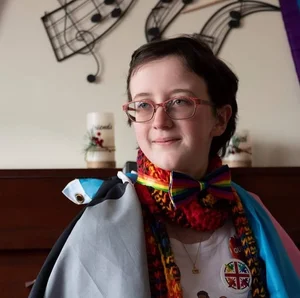
Today is the Trans Day of Visibility, an opportunity to celebrate trans voices and stories. As someone who is a proud, visible trans and nonbinary person, I want to offer my reflections.
Visibility is a double-edged sword. On the one hand, visibility is absolutely critical – for trans folks to see themselves represented, for cis people to have a better understanding of trans people. On the other hand, visibility increases the risk of violence. The more visible that we are, the more likely that people will react to us in violent ways – through misgendering, deadnaming, microaggressions, and even physically violent actions. Visibility must come with safety, where we feel safe to be visible.
Visibility is also not enough. While it is a wonderful sentiment to see people saying “trans people are beautiful,” “trans men are men,” “trans people are valid,” etc., that’s not enough. That isn’t to say to stop saying this – on the contrary, in an oppressive world where we hear messages that say the opposite, this can be very affirming. But that can’t be the extent of support and allyship from cis people. What are you doing to actually show up for trans people in your life, to ensure that we have the support and recognition within your workplaces and schools? Visibility must come with support, where we have the resources necessary for our visibility.
Visibility is about care. Gender affirming care is a continual topic of discussion, particularly as it pertains to youth. Everyone deserves the right to receive care – physical, emotional, spiritual care – in a way that affirms and values who they are. This means we need to demand systemic changes within the healthcare system to reduce barriers experienced by trans people. It also means showing care for those in our lives. Checking in, asking how you can best support them, offering to go and advocate with them if they need it. Visibility centers care by and for trans people, where trans people are the leads in saying what care looks like for us.
Visibility is about activism. It’s about making it clear that any form of violence against our trans communities won’t be tolerated. It’s standing shoulder-to-shoulder with the most vulnerable in our trans communities and making sure they have the resources and safety they need to live full, well lives. It’s boycotting businesses, organizations, companies, and political representatives who won’t stand with our community and/or are actively contributing to harm against our community. It’s calling out microaggressions and harmful rhetoric in the workplace and on social media. Visibility is about defending trans lives, and seeking an end to all oppressive systems.
Visibility is about loving and nurturing the trans community. It’s uplifting the voices of trans people. It’s showing up for your trans friends, comforting them when they are struggling, and celebrating who they are and their achievements. Too often, narratives of what it means to be trans centers around our oppression – our experiences of misgendering, deadnaming, microaggressions, violence. While it is important to shed light on these, it’s even more important to center stories of joy, celebration, authenticity. Visibility is about celebration and love, ensuring every trans person is able to be our true selves and be honoured for who we are.
In all of these ways, visibility matters. We can’t achieve any of these things – safety, support, care, defense, celebration – without visibility. Likewise, we can’t achieve visibility without these things. That’s why visibility is ongoing, a negotiation, a mourning, a celebration, an opportunity.
Let’s continue to make sure that we have trans visibility, safety, support, care, defense, and celebration every day – not just March 31.